From the current issue

Three studio visits, three ways of working with what's at hand

Each piece below started with a notebook, a workshop visit and a long conversation about materials. No press releases, no sponsored placements — just makers explaining how the work actually gets done.

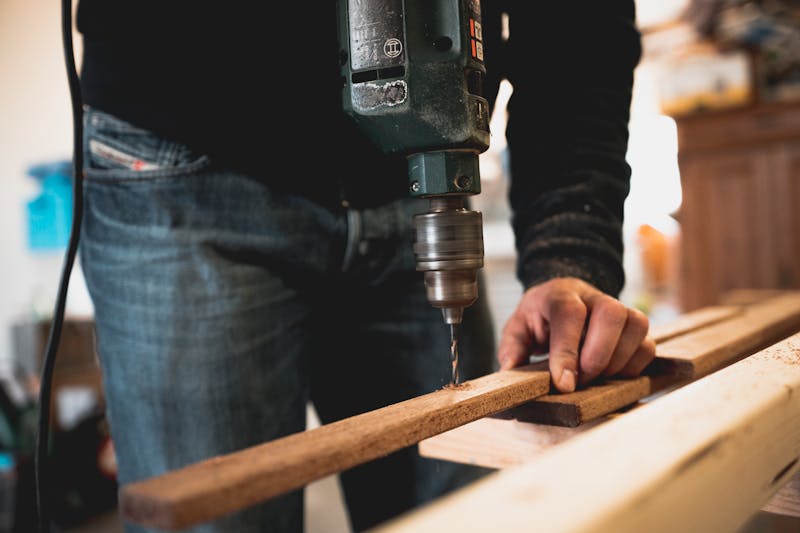
Woodworker planing a reclaimed oak board in a Johannesburg furniture workshop

Furniture

Inside a Johannesburg Furniture Workshop

The workshop occupies a former textile warehouse in Braamfontein, where two makers cut, join and finish solid oak tables without CNC equipment. They buy reclaimed beams from demolition yards in Selby and Krugersdorp, then air-dry the stock for months before milling. The piece follows one dining table from rough beam to final oil finish, including the jigs they built themselves and the mistakes they still make with grain direction. It also covers what they charge, how they quote, and why they stopped taking commissions that require veneered board.

Read the full profile


Ceramicist shaping a bowl on a wheel in a Cape Town studio

Ceramics

Cape Town Ceramics Without a Gas Kiln

Electric kilns are the practical reality for most ceramicists working in Cape Town, where gas installations are expensive and studio leases are short. This piece visits three makers in Woodstock, Salt River and Observatory who share kiln time, split glaze costs and document every firing in a shared notebook. It looks at how they test local clay bodies from the Western Cape, why some glazes fail in reduction, and how they price mugs and bowls when every firing carries a real risk of loss. The interviews include honest numbers on material costs and market stall fees.

Read the full profile
Textile printer pulling a screen across fabric on a long table in Durban

Textiles

Durban Textile Printers and the Screen Setup

Screen printing on fabric in Durban means working with humidity, heat and a market that mostly wants short runs. This studio in Glenwood prints tea towels, yardage and small apparel batches using water-based pigment pastes, exposing screens in a converted garage. The article walks through screen registration on long tables, how they manage colour consistency between print days, and why they keep a physical swatch archive instead of relying on digital colour. It also covers the cost of screens, the reality of misprints, and how they handle orders from local interior designers.

Read the full profile

Studio notes, straight to your inbox

Between issues we keep a running file of things that did not fit the print pages: a joiner in Selby explaining why he rejects certain reclaimed beams, a Woodstock ceramicist logging a glaze that crawled in the last firing, a Durban printer comparing pigment batches across two humid weeks. That file becomes a short letter, sent when there is something worth saying rather than on a fixed schedule.

Expect tool lists, sourcing leads for local timber and clay, corrections to earlier pieces, and the occasional open call for studio visits. No sponsored placements, no reposted press releases.

One letter at a time. Unsubscribe from any issue. If you would rather pitch a studio story than receive the letter, write to info@renzorodriguez.com.

Cookie settings

We use cookies to keep the site reliable, remember basic choices, and understand which pages are useful. You can accept, reject, or review the settings before continuing.