Renzorodriguez started as a folder of interview notes and bad photographs taken in a Braamfontein workshop. It is still run by a small editorial team, and it still works the same way: we visit the studio, watch the work happen, and write down what we see.
We are not a design agency and we do not sell furniture. The publication exists because most coverage of craft skips the part that matters: how a maker sources timber, what a failed glaze firing costs, why a printer keeps a physical swatch book instead of trusting a screen. We follow designers and small studios across South Africa and, when a story justifies the trip, further afield.
The tone we aim for is plain. No press-release language, no borrowed adjectives. If a maker tells us they stopped taking veneered commissions, that goes in the piece. If a firing went wrong, we say so. Readers are design students, working makers, gallery visitors and people who simply want to know how an object gets made.
If you run a studio and think your process deserves a proper visit, the door is open. We read every note sent to info@renzorodriguez.com.
Three studio visits from issue nine. Each one follows a maker through a working day, with the tools, materials and mistakes left in the frame.
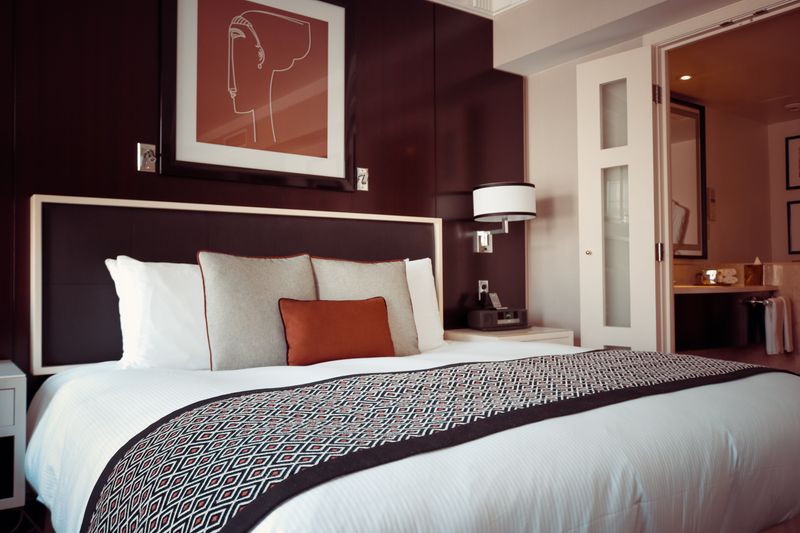
Furniture
Reclaimed oak from Selby demolition yards, air-dried for months, milled without CNC equipment.
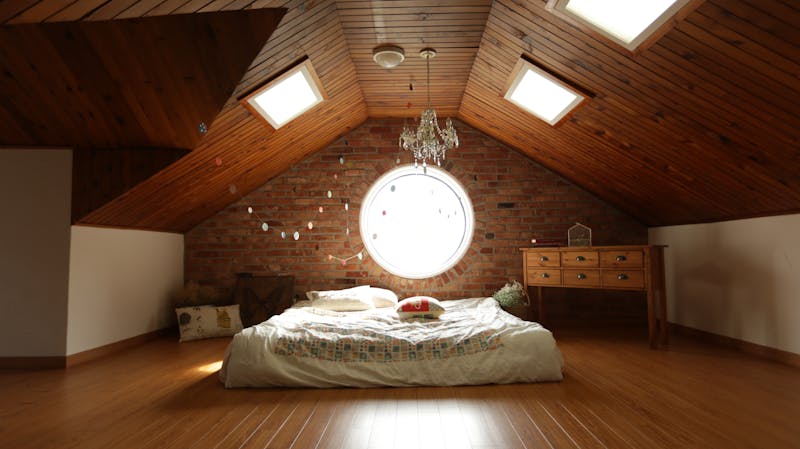
Ceramics
Shared electric kilns in Woodstock and Salt River, glaze tests logged in a notebook, market stall fees included.
Textiles
Pigment pastes, long-table registration and a physical swatch archive built over years of short runs.
Every issue of Renzorodriguez is put together with people who let us into their workshops, kiln rooms and print tables. Some of them we have followed for years. Others we met at a market stall in Woodstock or through a mutual friend in Braamfontein. These are the studios, schools and small organisations whose doors stay open to us, and whose work shapes what ends up on the page.
Studio partner
A shared workshop of six independent furniture makers. They host our studio visits, let us photograph half-finished frames, and talk openly about timber sourcing from Selby demolition yards.
Editorial partner
A kiln-sharing network across three Cape Town suburbs. They keep the firing logs we reference in our ceramics features and connect us with makers testing Western Cape clay bodies.
Print partner
Durban-based textile printers who run our small-batch tote and yardage editions. They handle registration, pigment pastes and the misprints we would rather not talk about.
Education partner
We supply archive copies to design students in Johannesburg, Cape Town and Durban, and run occasional reading sessions on pricing, materials and running a practice without outside backing.
Distribution partner
A small list of shops and gallery reading rooms that stock each issue. They tell us which covers move, which profiles get read, and what readers ask for at the counter.
Contributor network
Freelance process photographers and interviewers we work with issue by issue. Most of them are makers themselves, which is why the tool lists and studio notes read the way they do.
Our story
Renzorodriguez started as a stack of notebooks from weekend trips to workshops around Johannesburg. What began as personal documentation turned into a magazine when it became clear that most coverage of South African makers skipped the messy parts: sourcing timber, testing glazes, quoting jobs that never land.
2019
A 48-page run on uncoated stock, stapled by hand in a Braamfontein copy shop. The cover story followed a two-person furniture workshop cutting reclaimed oak beams from demolished Selby warehouses. We sold most copies at a Saturday market and mailed the rest to design departments.
2021
We turned down two sponsorship offers that wanted editorial control over the maker interviews. Instead, we leaned on reader support and a slower publishing rhythm. That decision shaped the format: fewer pages, longer profiles, and a commitment to printing real numbers on materials and studio costs.
2023
Studio visits expanded beyond Gauteng. We spent time with ceramicists firing electric kilns in Woodstock and Salt River, and with screen printers in Glenwood working through Durban humidity. The archive grew to include tool lists, swatch notes and firing logs alongside the written pieces.
Every issue still pairs long-form profiles with process photography and practical notes. We keep asking the same uncomfortable questions about pricing, sourcing and running a practice without a safety net. The magazine is built for design students, working makers and anyone who wants to understand how objects actually get made, not just how they look in a gallery.